 Danish
Kiramatullah’s Hopeful Return
“I always dreamed of coming home with dignity, and now I’m finally here.”
When the Afghan refugee return program resumed in late 2023, thousands of families living in uncertainty finally saw a glimmer of hope. By April 2025, the second phase of the program began, focusing on returnees who hold Afghan Citizen Cards.
Among them was 24-year-old Kiramatullah, a bright and determined young man who had spent his entire life in Pakistan. Despite being born and raised in Gujar Khan, Rawalpindi, Afghanistan had always remained a part of his identity.
“We lived in Pakistan for 30 years, but we were never truly accepted,” he shared. “Even though we were born there, we were denied nationality. I completed I.Com (Intermediate in Commerce), but we weren’t allowed to study further, or even open a bank account.”
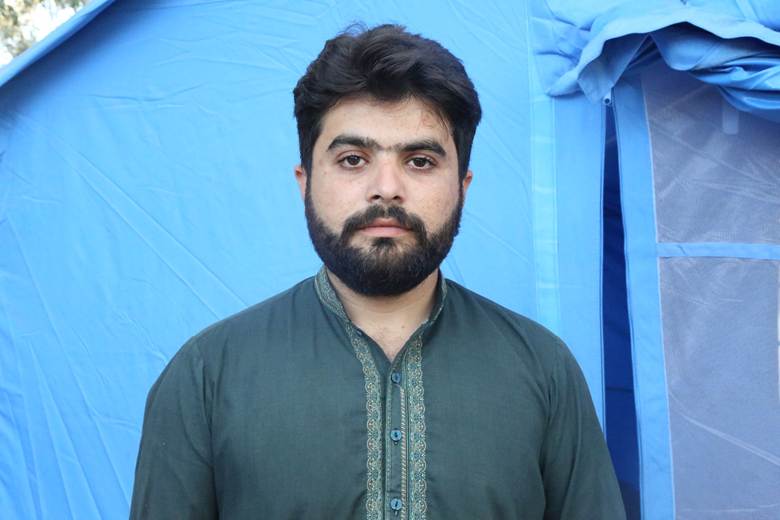
Like many Afghan families in Pakistan, life was a constant struggle for Kiramatullah and his family. “I used to work as a housemaid,” his mother recalled. “It wasn’t easy, but I did everything I could so that my children might one day succeed.”
With limited opportunities, Kiramatullah juggled his education and hard labor. “I drove a rickshaw part-time for 15,000 PKR/Month just to help us get by. Half the day I studied, the other half I worked,” he said.
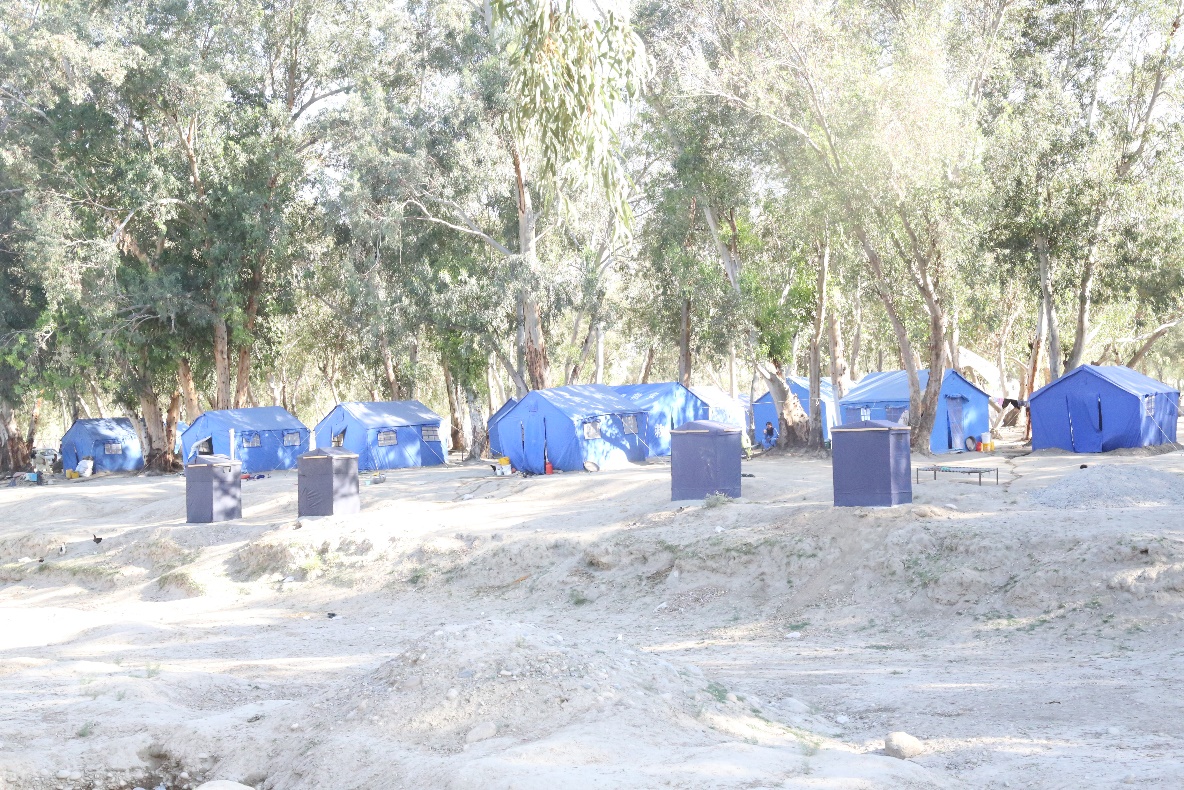
In April 2025, driven by hope and resilience, Kiramatullah crossed the Torkham border into Afghanistan. He first stayed at the Omari Camp and was later relocated to the Sorkhakan Refugee Camp in Laghman province.
That’s when help arrived. On 19th April 2025, DACAAR, with funding from the European Union (EU) (https://civil-protection-humanitarian-aid.ec.europa.eu/index_en), launched the ‘Crisis Modifier’ Program. The initiative brought immediate relief by providing hygiene education, safe drinking water through water trucking and Bio-Sand Filters (BSFs), commode chairs for people with disabilities, well rehabilitation and chlorination, and emergency baths and latrines (EBLs).
For Kiramatullah and thousands like him, this support made the transition smoother and life more comfortable.
“Afghan authorities and NGOs like DACAAR welcomed us with kindness and dignity,” he said. “We were given real, first-hand support when we needed it most.”
Though grateful, his dreams don’t stop here. “Now we need job opportunities and permanent homes, something stable. We’re back in our country, and we want to build a future here.”